The atrocities faced in Nazi Germany have impacted people for decades
Propaganda
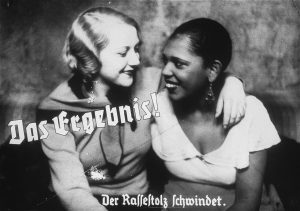 Propaganda was a tool used to paint a gruesome picture of black people. They were said to be rapists of German women and to carry diseases which were a threat to German blood (Bell 20). Propaganda posters furthered this narrative from denouncing Jazz music as the music of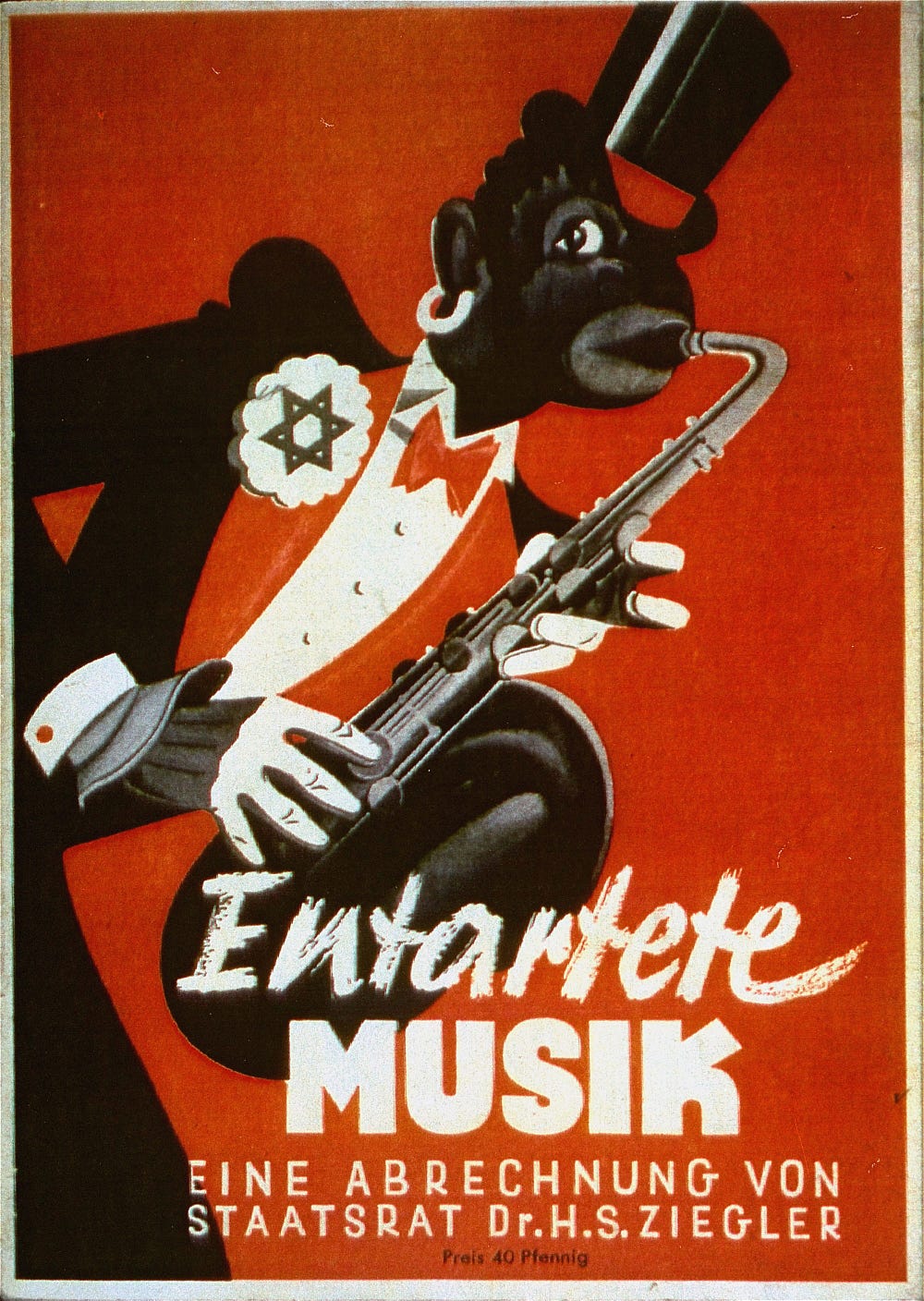

Treatment of Blacks
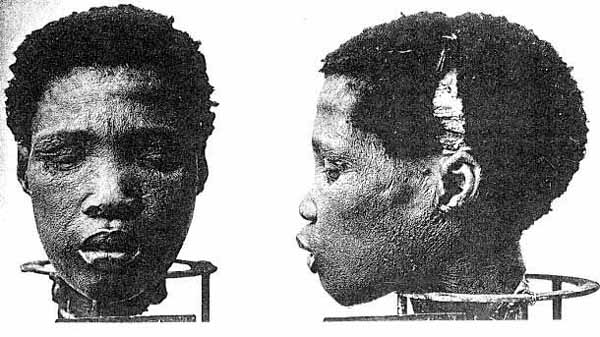
Prior to the start of WWII, there were 20,000+ blacks in Germany. I want to be clear that the rise of Nazi Germany was not the start of the
The People

Hilarius Gilges “The First Death”
Seeing as will be close to Dusseldorf, I want to highlight this particular death in Germany. Gilges was ( Oduah).


Valaida Snow
We’ve all heard of Josephine Baker and Louis Armstrong, but many of us don’t know about Valaida Snow. She was an outstanding trumpet player in Europe, but soon her spark would be dimmed. While in Denmark, she was captured during a Nazi invasion and placed in a concentration camp. She was there for a year and a half, but was traded and returned to the US, however, at that point she was weak and scarred mentally

Gert Schramm
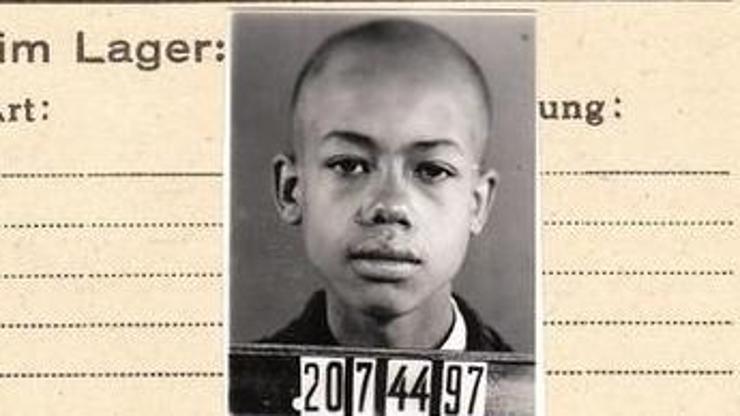
As another connection, to one of the places, we will visit in Germany Schramm was a prisoner at Buchenwald. He was arrested for being racially impure due to being the son of a black man and a white German woman. At 15 years old, he no longer was Gert Schramm but prisoner 49489. Schramm was forced to work in a stone quarry where many men died, and the survival rate was low, but somehow he survived . He made it to liberation where he lived out the rest of his life talking about Buchenwald and starting his own taxi compan ( Oduah).
These are only a few injustices these people faced. Even though they were a small community in Germany, at the time , it di d not make their children any less German or their stories any less valuable than those that we’ve been told before. The holocaust makes us realize there is much to be learned about tolerance and acceptance.
Sources:
Bell, Dominic. "Examining the Persecution of Blacks During the Holocaust." Undergraduate Transitional Justice Review 4.1 (2013): 3.
Lower, Wendy. Hitler's furies: German women in the Nazi killing fields. Houghton Mifflin Harcourt, 2013.
Museum, US Holocaust. “How Nazi Germany Weaponized the Race Card against the US Army.” Medium.com, Medium, 13 Feb. 2017, medium.com/@HolocaustMuseum/the-nazi-plan-to-divide-and-conquer-the-us-army-296a3c97fb54
“Nazi Persecution:

No comments:
Post a Comment