The Evolution of the Music Industry in a Reunified Germany

After the fall of the Berlin Wall on November 9, 1989, West and East Germany began to tackle the massive problems that needed to be addressed if reunification was to happen. Healthcare, money, education, even transportation were all revamped and ideas of how to integrate two nations into one were discussed. Considering the time and problems, it was amazing that the two Germany's were reunited in a relatively short period of time, on October 3, 1990. This massive political and social change undoubtedly left people reeling, and it was a struggle to cope with the emotions and circumstances that many found themselves in. Something that I wanted to focus on however, was the vibrant and innovative music scene that really exploded in Germany during this time. Rock, punk, goth, and even smaller scenes like trance all found traction in this new Germany, and people were using music as a way to express themselves in this new world.
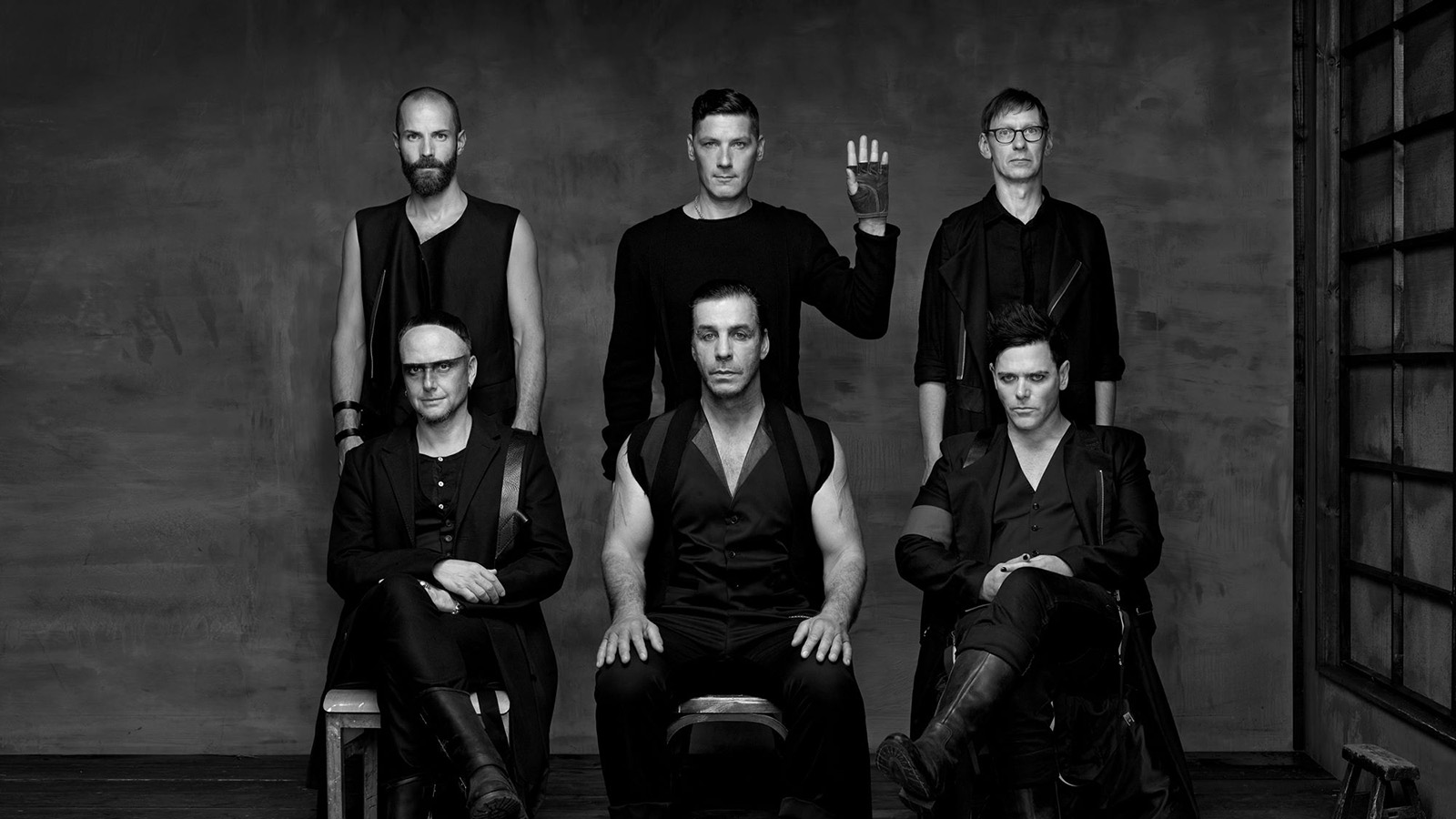 |
| Rammstein: A famous German rock group that is still popular today |
Interestingly, Synthpop and Eurodance became extremely popular during the late 1980's and early 1990's, corresponding with reunification and probably that many former East Germans were now able to access all of the Western music that they were denied before. Culture Beat's "Mr. Vain" (1993), Fun Factory's "Close To You" (1993), and many other groups of these types came out of Germany in the 80's and 90's. I think that many of these would never have been possible if it were not for the reunification. Many different styles from the East and West came together, artists had different inspirations, and even the bands themselves were composed of people from all over Germany and even Europe
.
Aside from these types of music that were very popular in Germany, Trance music was something that was actually invented in Germany, specifically during the reunification period. A combination of British new age music and the German techno scene, this style rapidly became very popular with the rest of Europe. This type of music branched into psychedelics and hypnosis, and beats can often be repetitive and layered. A popular music festival at the time was the "Love Parade" which started in Berlin in 1989. See also Sequel Bass - The Third Chapter (1997)
I think that the German reunification made all of this music possible. This expression and experimentation by Germans was a result of the reunification and all of the societal changes that came with it. Groups were made up of former East and West Germans, Berlin especially became a staging ground for many bands, and influences from around the world were able to impact Germans. These years surrounding reunification were for the development of not only German pop culture, but also Germany as a whole, and the images and art that made it so that the rest of the world could see what they had achieved.
Brendan Totzke
 |
| Add caption |
Aside from these types of music that were very popular in Germany, Trance music was something that was actually invented in Germany, specifically during the reunification period. A combination of British new age music and the German techno scene, this style rapidly became very popular with the rest of Europe. This type of music branched into psychedelics and hypnosis, and beats can often be repetitive and layered. A popular music festival at the time was the "Love Parade" which started in Berlin in 1989. See also Sequel Bass - The Third Chapter (1997)
I think that the German reunification made all of this music possible. This expression and experimentation by Germans was a result of the reunification and all of the societal changes that came with it. Groups were made up of former East and West Germans, Berlin especially became a staging ground for many bands, and influences from around the world were able to impact Germans. These years surrounding reunification were for the development of not only German pop culture, but also Germany as a whole, and the images and art that made it so that the rest of the world could see what they had achieved.
Brendan Totzke

No comments:
Post a Comment